Ellis Services Group
Roof Waterproofing
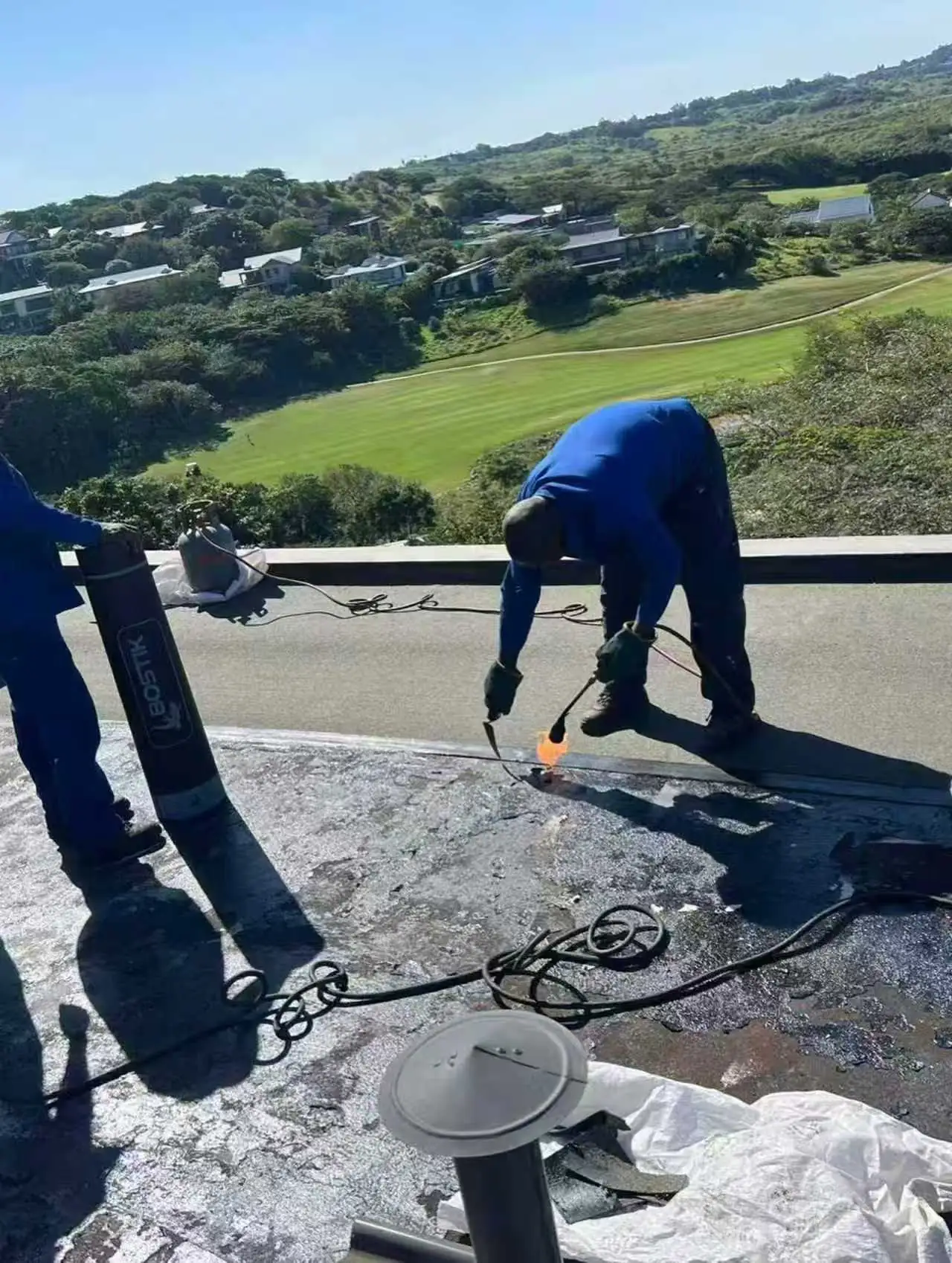
We investigate rain-related roof leaks and repair the surfaces and junctions letting water in. Our team plans the treatment around your roof material, prepares the affected area and completes the waterproofing with clear access and handover arrangements.
DISCUSS ROOF WATER ENTRY ↗ 0425 170 688Roof water-entry assessment and repair suitability
Staining inside a building may relate to roof flashings, penetrations, drainage or damage to the roof surface. Water can travel before it appears indoors, so a ceiling stain does not locate the entry point. We assess whether a local waterproofing treatment is suitable or broader roof work needs another trade.
- Discussion of when and where water appears and any previous repairs.
- Review of accessible roof surfaces, junctions and penetrations.
- Existing material condition and compatibility with a proposed treatment.
- Preparation and local waterproofing work where suitable for the findings.
Accessible inspection and the limits of the findings
Describe the roof material if known, building height and previous repairs. Existing reports or safely taken indoor photos can help the initial conversation.
We inspect safely accessible surfaces and explain where concealed or unreachable junctions need further investigation. We identify any drainage, structural or roof-covering repairs that require a separate scope before the waterproofing work proceeds.
Material suitability, preparation and access
A proposed treatment must suit the existing surface and the particular detail being repaired. We consider the material condition, previous coatings or sealants, required preparation and how the treated area joins the surrounding roof. Covering an unstable or deteriorated base may leave the underlying problem unresolved.
Height, roof geometry and the work area affect access arrangements. We confirm safe access and the permitted work area before starting. Preparation, application, curing and any agreed checks follow the chosen repair system. For leaks at an exposed balcony rather than the roof, see balcony waterproofing; for other building areas, see Adelaide waterproofing services.
Roof waterproofing scope, access and scheduling
The affected roof detail, previous coatings, material compatibility and safe access can matter more than the stain size. Your written quote defines the area treated, preparation, materials and checks, plus exclusions and any further investigation or other trade work required.
Weather and surface moisture can affect when preparation and application are suitable. Material curing and the agreed checks also influence completion. We discuss timing after assessing those factors. If the findings point to work beyond the proposed treatment, the revised scope and cost are confirmed before additional work proceeds.
Handover and observing the affected area
We explain any access restrictions and care requirements for the treated area. Keep clear of the work zone until it is released for use. Do not climb onto the roof to inspect the repair or collect photographs; discuss follow-up access with the team.
After rain, note whether the indoor staining or dampness changes and let us know if water entry persists or appears elsewhere. Existing marks may remain after the source has been addressed, so describe new moisture separately from old discoloration. General process questions are covered in the Does a ceiling watermark show exactly where water enters the roof? and Can a roof coating replace safe access and assessment? and quotes and delivery FAQs.
Exposed roof membranes and UV protection
We assess the roof surface and existing coating before selecting an exposed waterproofing system. A polyurethane liquid membrane and a sheet membrane have different preparation, junction and termination requirements; neither name establishes suitability for every roof. Some liquid systems require a compatible UV-resistant topcoat. We confirm the complete build-up, drainage and access requirements before agreeing the membrane work.
Leaks that appear only with wind-driven rain
For wind-driven rain, note the wind direction if known, how long rain had been falling and whether the same indoor patch becomes wet each time. Distinguish fresh dampness from old staining when recording the pattern.
Local treatment may suit an isolated detail with a sound surrounding base. Widespread deterioration or inaccessible connections can require further investigation and a separate roof repair scope.